
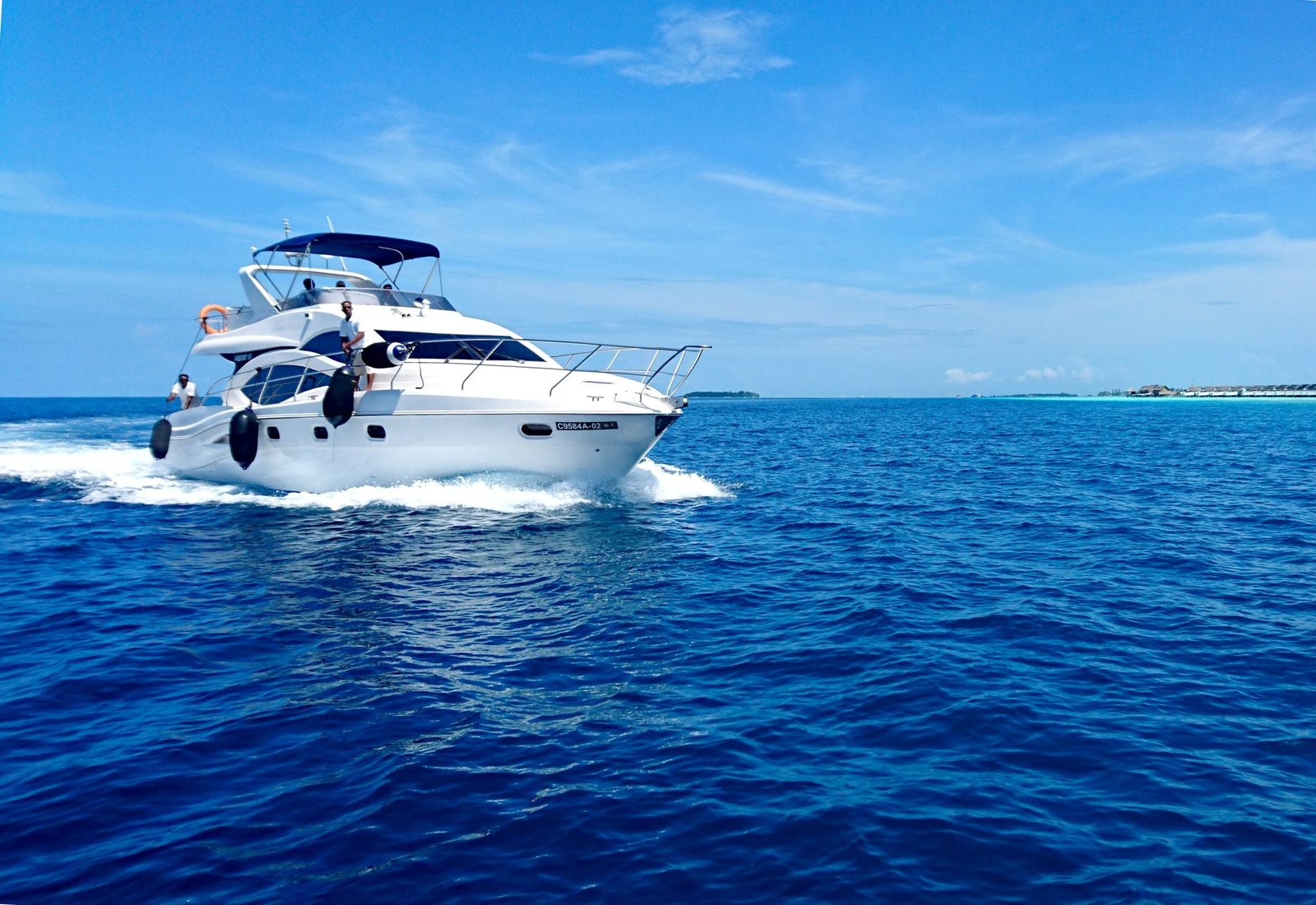
When you need money quickly and own a boat, boat title loans can be a lifesaver. At TFC Title Loans, we have been helping people with title loans since 1994. We offer boat title loans, car title loans, aircraft title loans, and more. We can use any asset with the required equity as collateral.
What Are Boat Title Loans?
Boat title loans are a type of secured loan that uses your boat as collateral. This means you can get cash fast without selling your boat. Here’s how it works:
- Use Your Boat as Collateral: Your boat secures the loan, so you can get money quickly.
- Fast and Easy Process: We make the application process simple and fast.
- Keep Your Boat: You can continue to use your boat while repaying the loan.
Benefits of Boat Title Loans
Boat title loans offer many advantages:
- Quick Cash: Get money quickly when you need it most.
- Use Boat Equity: Use the value of your boat without having to sell it.
- Flexible Terms: We offer terms that suit your needs and budget.
Types of Boat Title Loans
There are two main types of boat title loans:
- Secured Boat Title Loans: These loans are backed by your boat as collateral. If you can’t repay the loan, the lender can take your boat.
- Unsecured Boat Title Loans: These loans don’t require collateral but usually have higher interest rates.
How to Secure the Best Boat Title Loan
Here are some tips to get the best boat title loan:
- Prepare Your Documents: Have your boat registration and proof of income ready.
- Check Your Credit: A good credit score can help you get better terms, but we can help even if your credit isn’t perfect.
- Compare Lenders: We have a large network of lenders to find you the best deal.
FAQs About Boat Title Loans
What Is a Boat Title Loan?
A boat title loan is a secured loan that uses your boat as collateral.
How Do Boat Title Loans Work?
You use your boat to secure the loan. If you do not repay, the lender can take your boat.
How Much Can I Borrow with a Boat Title Loan?
You can borrow up to 50% of your boat’s value.
What Are the Repayment Terms?
Repayment periods can be up to 15 years, depending on the lender.
What Are the Interest Rates?
Interest rates vary but are generally higher due to the value of the collateral.
Are There Any Fees?
Yes, there are fees that range from $50 to $500, which may be included in the loan amount or paid upfront.
Finding the Right Boat Title Loan
You can find boat title loans through:
- Local Banks and Credit Unions: Check with local financial institutions.
- Online Lenders: We work with reputable online lenders.
Reputable Lenders in the Industry
- TFC Title Loans: We have over 20 years of experience and a commitment to excellent customer service.
When you need quick cash, your boat’s equity can help. At TFC Title Loans, we make it easy to get the money you need. Contact us today for the best boat title loan options.
Quote from Daniel Joelson, Consumer Finance Expert: “Boat title loans can be a smart way to access fast cash. TFC Title Loans’ focus on equity over credit scores makes them a great choice for many borrowers.”
Contact TFC Title Loans today to unlock the value in your boat and get the financial support you need.
Boat Title Loans: requirements, costs, and borrower checklist
This section expands the borrower guidance for boat title loans so applicants can compare eligibility, documentation, repayment risk, and alternatives before submitting a request. TFC Title Loans may connect applicants with partner lenders or service providers. Approval, loan amount, rates, fees, funding time, and repayment terms vary by lender, applicant, vehicle, title status, and state requirements.
Editorial and compliance note: This product guide was reviewed on June 23, 2026. It is educational information, not a loan offer or guarantee of approval. Always review the lender disclosures, APR, finance charge, payment schedule, default terms, and total repayment amount before signing.
What lenders may review
| Review area | Why it matters | What to prepare |
|---|---|---|
| Boat title, registration, condition, engine details, and equity | Helps estimate collateral value and available equity. | Year, make, model, mileage, condition, photos, registration, title, or payoff details if requested. |
| Identity and contact details | Used for applicant verification and communication. | Government ID, current address, phone number, and email. |
| Title or ownership status | Shows whether the asset can be used as collateral. | Title in your name, lienholder details, or payoff information if another lien exists. |
| Income or ability to repay | Lenders may review whether repayment appears manageable. | Pay stubs, bank statements, benefit statements, business income records, or another accepted proof source. |
When this product may or may not fit
A boat title loan may be considered when the borrower owns a qualifying boat and wants to compare secured funding using marine collateral.
This may not fit borrowers who cannot document ownership, have limited equity, or would be harmed by losing access to the boat. Because this type of borrowing is secured by an asset, missed payments can create serious consequences, including default and possible loss of the collateral depending on the agreement and applicable law.
Costs and repayment questions to compare
- What is the APR and total finance charge?
- What is the total repayment amount if every payment is made as scheduled?
- Are there processing, lien, title, late, returned-payment, or payoff fees?
- How long is the repayment term, and when are payments due?
- What happens if a payment is late or missed?
- Can the loan be paid off early, and does early payoff change the total cost?
Safer comparisons before applying
Boat values may depend on seasonality, condition, storage, engine status, and local resale demand. Compare lower-risk options first when available, including credit union loans, payment plans, employer advances, hardship programs, family support, or selling unused items. If you continue with a title-secured product, borrow only what you can reasonably repay and keep copies of every disclosure.
State and local availability
Title-secured lending rules vary by state. Use the state guides and local pages below to compare requirements, availability, and borrower considerations in your area.
- California title loans
- Alabama title loans
- Arizona title loans
- Florida title loans
- Georgia title loans
- Illinois title loans
- Indiana title loans
- Kentucky title loans
- Michigan title loans
- Mississippi title loans
- Ohio title loans
- Tennessee title loans
- Texas title loans
- Virginia title loans
Related title loan resources
- Car title loans
- Online title loans
- Pink slip loans
- Title loan refinancing
- Car equity loans
- Title loan calculator
- Title loan locations
- Apply for a title loan
Frequently asked questions
Can I start the request online?
Yes. You can start with an online request, but additional documentation, lender review, vehicle or asset verification, and approval steps may still be required.
Does approval depend only on credit?
No. Credit may be reviewed, but lenders may also consider collateral value, equity, title status, income, state rules, and the ability to repay.
What should I read before signing?
Read the APR, finance charge, fees, payment schedule, total repayment amount, default terms, repossession or collateral provisions, and payoff rules before accepting any offer.
How to compare boat title loans with other options
Before choosing boat title loans, compare the product against unsecured personal loans, credit union small-dollar loans, payment extensions, hardship programs, employer advances, and selling an unused vehicle or asset. A title-secured product may be faster to request, but speed should not be the only decision factor. The most important comparison is the total repayment amount, including interest, finance charges, fees, and any cost that applies if a payment is late or returned.
Borrowers should also compare what happens if the plan does not go perfectly. Ask whether the lender offers payment reminders, grace periods, early payoff options, refinancing, extensions, or hardship communication channels. A lower payment can still be expensive if the loan runs longer than expected, and a larger loan amount can create more pressure if income changes during the repayment period.
| Comparison point | Question to ask | Why it matters |
|---|---|---|
| Total cost | What will I repay in dollars, not just APR? | Shows the practical cost of the loan. |
| Payment schedule | Are payments weekly, biweekly, monthly, or due in one lump sum? | Helps match the loan to income timing. |
| Collateral risk | What can happen to the vehicle or asset after default? | Clarifies the most serious downside. |
| Early payoff | Can I pay early, and are there fees or savings? | Shows whether fast repayment can reduce cost. |
| Alternatives | Have I checked lower-risk borrowing or payment-plan options? | Prevents using a secured product when a safer option exists. |
Decision checklist before submitting a request
- Confirm the title, registration, or ownership documents are accurate and in your name where required.
- Estimate a payment amount that leaves room for rent, utilities, insurance, fuel, food, and other essentials.
- Read the APR, finance charge, fees, due dates, late-payment rules, and default language before signing.
- Keep a copy of all disclosures, the repayment schedule, and lender contact information.
- Use the smallest amount that solves the immediate need instead of borrowing the maximum offered.
Boat-specific collateral details to review
Boat title loans can involve details that are different from standard car title loans. A lender or service provider may need to understand the boat type, hull condition, engine condition, storage status, registration, title history, trailer details, and whether the boat has any existing lien. Boats can also have seasonal value swings, so a strong summer resale value may not always match the value used during lender review.
Before using a boat as collateral, gather the title or registration, recent photos, maintenance records, engine information, trailer details if applicable, insurance information, and any payoff documents. If the boat is used for work, transportation, or family needs, include that risk in the repayment decision. The practical question is not only whether the boat can help secure funding, but whether the repayment schedule protects the asset from unnecessary default risk.